
Information center / Breast cancer / Monthly Spotlight / VM Med / Women's health
Breast Pain vs. Breast Lumps: When to See a Doctor

Does a breast lump mean you have cancer? The short answer is no.
While a lump is the most widely recognized symptom of breast cancer, finding one during a self-examination doesn’t automatically mean a cancer diagnosis. Understanding the difference between common, benign changes and more serious symptoms can save you a world of premature stress.
Breast pain and breast lumps are two distinct phenomena with different causes, risk profiles, and paths to evaluation. Knowing what each one means and what to watch for is one of the most empowering things you can do for your long-term breast health.
Understanding Breast Pain (Mastalgia)
Breast pain (medically known as mastalgia) is one of the most common reasons women visit our clinic. The good news? Breast pain is rarely a sign of breast cancer. In most cases, tenderness is linked to hormonal fluctuations during your menstrual cycle. There are two primary categories:
- Cyclic Breast Pain: This is the most common type and is directly tied to your period. It often feels like a heavy, dull ache in both breasts that worsens the week before your cycle begins.
- Non-cyclic Breast Pain: This is not related to your cycle and may feel like a sharp, localized, or burning sensation. It can be caused by anything from a sports injury or a “bad bra fit” to nearby muscle or joint pain
Common Causes of Breast Pain
Some of the most frequently seen causes of breast pain include:
- Hormonal changes during menstruation, pregnancy, breastfeeding, or perimenopause/menopause
- Breast pain during ovulation (mid-cycle tenderness) — common and typically harmless
- Certain medications, including hormone therapies, antidepressants, and some cardiovascular drugs
- Excess caffeine intake
- Ill-fitting or unsupportive bras
- Fibrocystic breast changes (lumpy, tender breast tissue that shifts with your cycle)
- Chest wall (musculoskeletal) pain that radiates into the breast
- Large breast size, which can cause significant discomfort
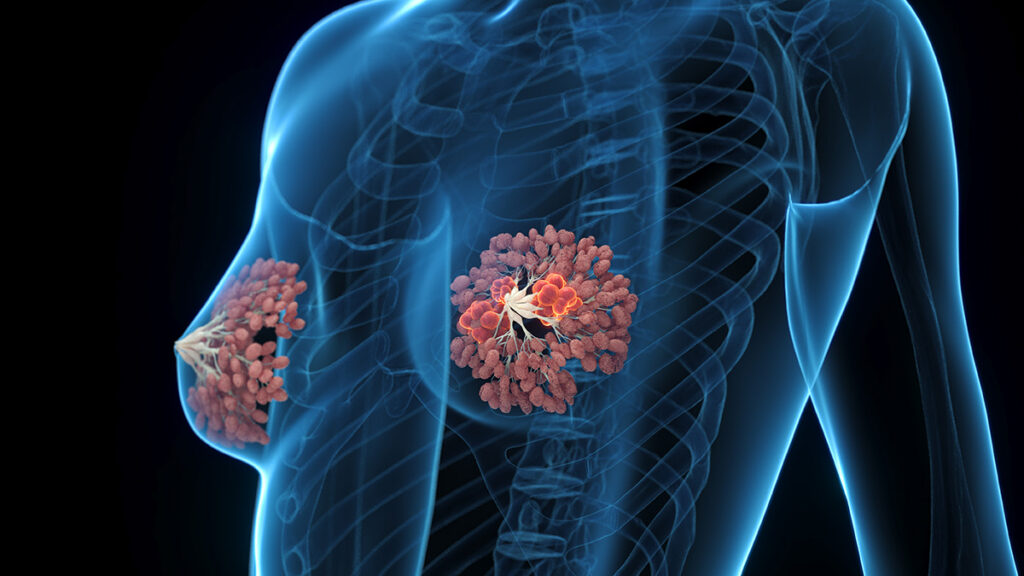
What Causes Breast Lumps?
A breast lump is any mass or thickened tissue felt within the breast. While the word “lump” is scary, the majority are benign (non-cancerous), especially in women under 40.
According to Johns Hopkins Medicine, some common causes of benign lumps are:
- Cysts: Cysts are fluid-filled sacs that can feel either soft or hard depending on their location. They are most common in people between the ages of 35 and 50 and are often caused by blocked breast glands.
- Fibroadenomas: These are firm, well-defined, and often “moveable” (feeling like a marble under the skin). They are linked to estrogen and are very common in women between 15 and 35. They typically pose no health risk and often disappear on their own after menopause.
- Fibrocystic Breast Changes: Lumpy, sometimes tender breast tissue that fluctuates with your cycle. Very common in women of reproductive age and not cancerous.
- Lipoma: A slow-growing, soft, benign fatty lump that feels smooth and moves easily under the skin.
Do Tumours Hurt to Touch?
Can a cancerous lump be painful? A common misconception is that “if it hurts, it’s not cancer.” This is a dangerous myth to rely on.
Most breast cancer tumours are painless, firm, and fixed in place with irregular edges. However, some aggressive forms, like inflammatory breast cancer, can cause pain, redness, and swelling without a distinct lump.
Never dismiss a lump because it doesn’t hurt, and never ignore persistent pain just because there is no lump.
When to Worry About Breast Pain
There are many benign reasons for breast pain, among them mastitis, side effects of certain medications, fibrocystic breast changes, back or shoulder sprains, bad bra fit, scar tissue, etc. While most changes are harmless, certain “warning signs” require an immediate professional evaluation. You should book an appointment if you notice:
- Skin dimple on breast: A skin dimple on the breast or an “orange-peel” texture.
- Nipple Changes: Inversion (turning inward) or unexplained discharge.
- Fixed Lumps: A mass that is hard and does not move when pressed.
- Persistent Redness: Redness or heat that doesn’t go away.
- Non-resolving changes: Anything that lasts longer than one full menstrual cycle.
Trust Your Instincts
The reason doctors recommend monthly self-examinations isn’t just to find lumps, it’s to teach you your version of normal. After routine weekly self-examinations, most women know what their breasts feel and look like throughout their monthly cycle and can easily recognize when something feels strange. Trust your gut, and if you suspect something is different or abnormal from the way your breasts normally are, go in for a medical exam.
Watch our video to help guide you through your self-exam at home.
Only a small percentage of lumps turn out to be cancer, but early detection is the most powerful tool we have. At the end of the day, trust your instincts and be your best advocate for your own health. No one knows what your body and breasts normally feel like better than you do. If something feels off, see your doctor.
Expert Breast Care at VM Med
As the largest private breast center in Canada, VM Med’s Breast Center in Montreal is dedicated to providing answers without the long wait times. We offer next-day appointments and same-day results for most imaging exams.
Meet Dr. Gerry Polyhronopoulos
Our team includes experts like Dr. Gerry Polyhronopoulos, a skilled General Surgeon specializing in breast cancer assessment. A Fellow of the Royal College of Surgeons of Canada, Dr. Polyhronopoulos provides a full range of services, from physical examinations to advanced surgical solutions.
Our Diagnostic Tools Include:
- Ultrasound: Ideal for distinguishing between a cyst and a solid mass.
- Mammography: The gold standard for screening.
- Biopsy: The only definitive way to confirm if a lump is benign or malignant.
Don’t wait for a symptom to feel “serious enough.” Book a consultation with our experts today and get the peace of mind you deserve.
Additional Resources
For more information, you can read our extensive archive of VM Med blogs, including:
Categories
