
Information center / Breast cancer / Cancer / General health / Gynecology / Mental health / Monthly Spotlight / Prevention / Reproduction / Science / Thyroid / VM Med / Women's health
7 Women’s Health Issues Doctors See Most Often
(Tina Dawn/ VM Med) — Women and men share many of the same health concerns, but women face several conditions at significantly higher rates. Breast cancer, cervical cancer, pregnancy-related complications, menopause, and sexual trauma are all issues that primarily affect women. Many urinary conditions are also more common in women due to anatomical differences.
Women are disproportionately affected by chronic illnesses and autoimmune diseases—such as lupus and rheumatoid arthritis—often linked to hormonal factors and inflammation. Mental health conditions like depression and anxiety, as well as thyroid disorders, also occur more frequently in women.
Female patients have a higher risk of death from heart attacks than men, partly because their symptoms can appear differently and are more likely to be misdiagnosed or dismissed. These disparities are made worse by the underrepresentation of women in medical research, which limits accurate diagnosis, treatment, and long-term disease management.
Below are seven of the most common women’s health issues doctors see most often.
1. Urinary Tract infections (UTIs)
A urinary tract infection (UTI) is an infection usually caused by bacteria attacking the kidneys, urethra or bladder. Cystitis, an infection in your bladder, is the most common type of UTI.
Women have a much greater tendency than men to get a UTI. In fact, according to the Kidney Foundation of Canada, Canadian women make about 500,000 visits to doctors per year due to UTIs.
Causes of UTIs in females: Women are more susceptible to UTIs because of their anatomy. Women have a shorter urethra than men do, so bacteria have a shorter distance to travel to enter the bladder. During sex, bacteria can be pushed into the urethra. Hormonal changes during pregnancy can increase women’s chances of a UTI, while post-menopausal women experience hormonal changes that lead to an increased risk of UTIs.
Symptoms of a UTI in females:
- Pain or a burning sensation during urination
- A constant urge to urinate
- Cloudy or dark pink urine
- Sharp or dull pelvic pain
- Pressure in the lower abdomen
If you experience fever and chills or lower back pain, the infection might have spread to the kidneys. It’s important to see a doctor for a proper diagnosis.
2. Cancer – Particularly Breast Cancer
According to the Canadian Cancer Society, the most common cancer diagnosed in women in Canada is breast cancer, accounting for approximately 25 percent of all new cancer cases and 14 percent of cancer deaths in women. It’s estimated that 1 in 8 Canadian women will be diagnosed with breast cancer in their lifetime.
Other common cancers women are diagnosed with include lung, colorectal, and ovarian cancer, though breast cancer is by far the most prevalent diagnosis.
Causes of cancer in women: Genetics and hormones can play a large role in cancer. Depending on the type of cancer diagnosed, environmental factors, lifestyle factors (smoking and drinking), sun exposure, diet and weight, previous infections like HPV, and the patient’s age and reproductive history are all significant factors.
Symptoms: Depending on the type of cancer, symptoms can present as unexplained weight loss, fatigue, a lump, fever, changes in bowel habits, unexplained and persistent bloating, or chronic coughing. Web MD has a list of possible signs of cancer that women should watch for.
3. Menstrual Disorders & Reproductive Health Issues
Because of women’s complex biology connected to their reproductive abilities, they can experience a wide range of common reproductive health concerns and menstrual disorders over the course of their lives, which can cause them pain, heavy menstrual periods, and even infertility.
Issues like endometriosis, a chronic disease affecting about 10 percent of women of reproductive age, uterine fibroids (the most common noncancerous tumours in women of reproductive age), ovarian or cervical cancer, HIV, interstitial cystitis, polycystic ovary syndrome (PCOS), and sexually transmitted infections.
Menstrual disorders are one of the most common reasons women visit a doctor. They can affect women mentally and physically. Some common menstrual disorders are:
- Amenorrhea (the absence of menstrual bleeding)
- Oligomenorrhea (light or infrequent menstruation)
- Fibroids
- Premenstrual syndrome (PMS)
Causes: Hormonal imbalances are the leading causes of menstrual disorders like PCOS in women. Lifestyle and environmental factors also play a major role. Medical conditions like uterine fibroids and endometriosis, or previously untreated STIs, can also affect fertility.
Symptoms: Symptoms vary depending on the issue, but can present as abnormal or painful periods, pelvic pain, bloating, pain during sex, and infertility.
4. Heart Disease

Despite often being presented as a male issue, heart disease and the eventuality of a heart attack or stroke are very much women’s issues too. In fact, heart disease is the leading cause of death for women.
Causes of heart disease in women: Key risk factors for heart disease include high cholesterol, high blood pressure, diabetes, smoking, an unhealthy diet, high stress, and lack of physical activity.
Symptoms of heart disease in women: Heart disease in women can present very differently from the chest pain we see in men. While that can also be a symptom, a heart attack in women often looks like:
- Shortness of breath
- Nausea
- Heartburn or indigestion
- Sweating
- Pain in the neck, jaw, back, or arms
5. Mental Health Conditions Like Anxiety and Depression
Women and mental health are closely linked, as women face significantly higher rates of anxiety and depression compared to men. Women are diagnosed with depression almost twice as often. Eating disorders and chronic anxiety disorders are also common. Depression in pregnant women, as well as postpartum depression after giving birth, remains a major concern that often goes undiagnosed or untreated.
Causes: Hormonal changes throughout the menstrual cycle, pregnancy, and menopause can increase vulnerability to mental health issues. External factors such as balancing work and family responsibilities, experiencing sexual trauma, living in poverty, or facing gender discrimination also contribute to the higher rates of anxiety and depression many women experience.
Symptoms: Symptoms vary by condition but can include:
- Persistent sadness
- Ongoing anxiety
- Drastic mood swings
- Trouble sleeping or oversleeping
- Changes in appetite or weight
6. Pelvic Pain
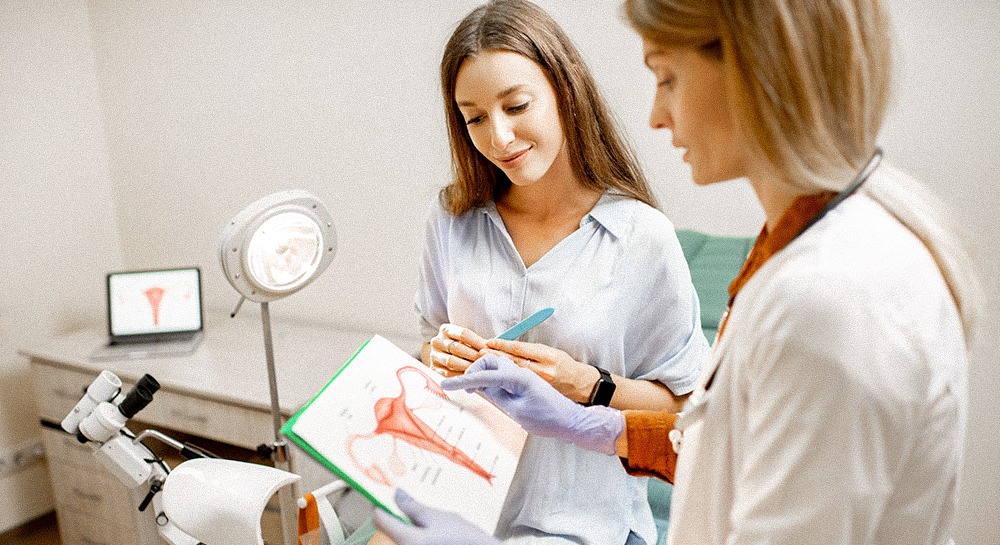
Pelvic pain is a very common issue for women, mostly because women’s complex biology and reproductive system make them more susceptible to experiencing issues involving pelvic pain. Because of the many possible reasons for pelvic pain, a proper diagnosis by a doctor is required.
Causes of pelvic pain in women: According to Medical News Today, possible causes of pelvic pain are:
- Menstrual cramps
- UTIs and cystitis
- Uterine fibers
- Endometriosis
- STIs
- Ovulation
- Gastrointestinal issues like IBS or ulcerative colitis
- Ectopic pregnancy
- Pelvic inflammatory disease
Symptoms: Pelvic pain is typically felt in the lower abdomen or pelvic region, but can also be felt in the lower back, buttocks, and thighs. It’s most often felt during urination or sexual activity. The pain can feel like a dull ache, consistent cramping, or a sharp stabbing pain that comes and goes. It’s occasionally accompanied by fever, frequent need to urinate, bloating, nausea, or vomiting.
7. Thyroid disorders
Thyroid disorders are extremely common in women and usually manifest as an underactive thyroid or an overactive thyroid. Other thyroid conditions can be thyroid cancer or a goiter.
Causes of thyroid disorders in women: Autoimmune diseases like Graves’ disease or Hashimoto’s thyroiditis can be causes of thyroid disorders in women. Inflammation of the thyroid can temporarily cause problems; certain medications can expose someone to too much iodine, while pregnancy or exposure to radiation are all causes.
Symptoms: Depending on whether one has hyperthyroidism or hypothyroidism, symptoms can vary, but common signs include fatigue, weight changes, changes to skin and hair, changes in menstrual cycles, and mood swings. Infertility and calcium loss can be observed if left untreated.
Women’s Health Clinic in Montreal

VM Med Private Clinic offers patients timely, efficient, and dignified access to a broad range of advanced healthcare services specifically geared towards women.
The clinic’s Gynecology Center specializes in women’s health, focusing on the female reproductive system and monitoring a woman’s sexual and reproductive health throughout her life. From the onset of their very first period, throughout their sexual life, any fertility issues they may encounter, their annual preventative healthcare screenings, their pregnancies and any issues related to birth or the post-birth period, as well as perimenopause and menopause in their later years.
As the largest private Breast Center in Canada, VM Med is dedicated to addressing every aspect of our patients’ breast health needs. The clinic’s services include breast imaging, breast biopsy, breast surgery, breast cancer staging, breast oncology, and breast cancer genetic testing.
At the women’s health clinic, we offer a welcoming environment, specialized counselling, and treatments on a wide range of women’s health issues. The clinic’s team of medical experts takes care of every aspect of a patient’s health needs, creating a personalized course of treatment.
For more information on our Montreal clinic, you can read our extensive archive of VM-Med blogs, including Breast Cancer: Early Detection & What Happens At Each Stage or Stress and the Effects of High Cortisol On Your Body.
Still have questions? Book a consultation with our experts. We support every aspect of our patients’ health throughout their lives.
Categories
