
Information center / Monthly Spotlight / VM Med
Why Annual Checkups Matter: The Power of Preventive Care

(Tina Dawn/ VM Med) We’re all leading busy lives and it’s sometimes far too easy to postpone a visit to our doctor if we’re not having any immediate health problems. But taking care of our health involves far more than just seeking medical advice if we notice something is wrong. It involves being proactive and insisting on preventative care before we have a serious problem that needs to be addressed.
It’s not an exaggeration to state that consistent preventative healthcare in the form of annual checkups and screenings can save lives and is essential for patients’ long-term physical and mental well-being.
Finding the right family doctor and ensuring that you take the time to see them by scheduling routine check-ups is an important move for your health.
Annual physical check ups are essential
Annual check-ups are an important part of your preventative health. They allow your doctor to check your vital signs, update your health chart, and send you for blood work and/or routine tests that might be warranted.
Depending on your personal health history and age, your doctor may order additional tests. Annual physicals ensure cancer screenings, and routine blood work that can detect hidden conditions like high blood pressure, thyroid issues, diabetes, and high cholesterol early on before any symptoms appear. It’s long been established that early detection of any illness often leads to simpler, more effective treatments with fewer long-term side effects and fewer complications.
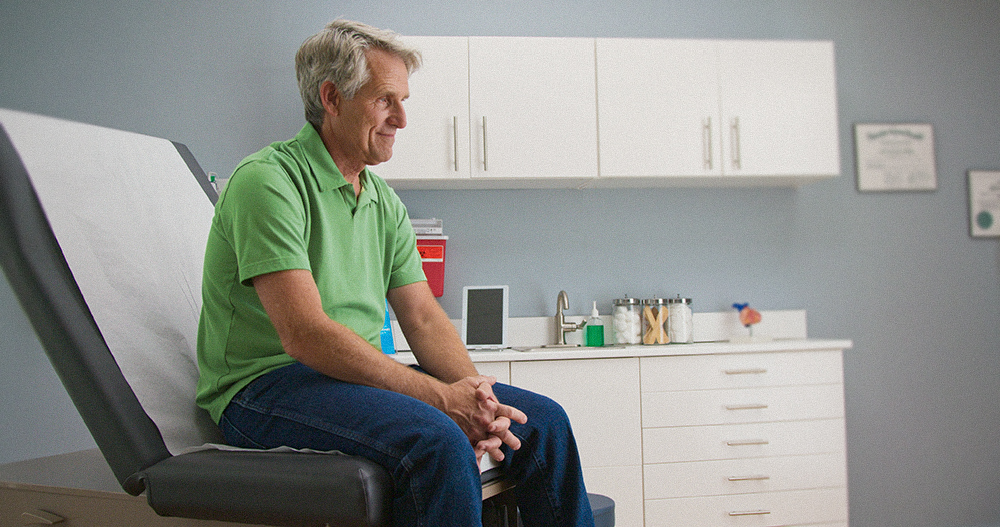
Routine check-ups allow your doctor to check your body mass index, your cholesterol, your heart rate, and ask you any important questions that may detect a health problem. They also allow your doctor to order any necessary vaccines that could protect you against preventable diseases. Young women, for example, will be advised to make an appointment for the human papillomavirus (HPV) vaccine, which is highly effective at preventing certain cancers and genital warts caused by the virus. Older patients or patients with autoimmune disease will be advised to get the flu vaccine or a Shingles shot.
For female patients, additional tests like a mammogram, a pelvic exam, a Pap smear, or an osteoporosis test might be needed. For male patients, a prostate cancer screening test or a cholesterol test might be requested. These steps are all part of being proactive about your health.
The Canadian Medical Association recommends that “we schedule screening tests based on our age, health history and other factors and that check-ins may be more frequent for people managing a chronic condition, starting a new medication or going through a lifestyle change.”
Family Medicine part of comprehensive health
Family physicians or general practitioners (GPs) aim to provide care for someone from birth to death. Even if that’s rarely the case these days with most people’s mobility, family doctors do aim to offer comprehensive and all-around care for patients of all ages, assessing and treating all kinds of illnesses, from the common cold to detecting cancer.
A practitioner of family medicine treats all kinds of ailments, from major to minor. They can diagnose and provide treatment and follow-up care for chronic diseases, pre-natal and post-natal care for pregnant patients, newborn care for their babies, as well as collaborate and refer their patients to specialists if they are concerned about something they notice during a physical.

Most importantly, family doctors often form long-term relationships with their patients and develop a closer relationship and knowledge of their overall physical and mental health, often being in a position to notice changes much quicker or advocate for them to prevent more serious issues.
Annual Check-Up
When you see your doctor for your annual check-up be prepared. Make a list of questions for them, let them know if something is worrying you or if you’ve noticed changes in your health. Inform them of any new medications or health supplements you might be taking. An annual exam is also an opportunity for your doctor to evaluate how any treatment plans are working or whether a different approach is needed.
The better prepared you are for your appointment, the better your doctor can help you by ordering any required tests and screenings. You want a family doctor who is attentive and will listen to your concerns without being dismissive. A GP who gives you a head-to-toe exam and helps you create a comprehensive and long-term health plan that reflects your family history, age, and lifestyle.
Here’s what doctors say you should ask about during a routine check-up. It’s important to remember that the tests and screenings you undergo, as requested by your doctor, become an important baseline against any further changes that may quickly signal that something is wrong.

Preventive Healthcare Month in Canada
February is designated as Preventative Health Awareness Month in Canada. It’s a time for Canadians to learn about prioritizing their health, taking charge of their well-being, and reducing the risk of chronic diseases through measures like healthy lifestyle choices and mental health care.
The awareness campaign aims to encourage Canadians to take charge of their own health. That can mean making the right lifestyle decisions that can protect them against illness, such as exercising more, eating better, sleeping more, and limiting alcohol consumption. It can also mean prioritizing preventative screening and being more aware that one’s family history, age, and lifestyle are potentially risk factors that can make them far more susceptible to certain illnesses.
At the end of the day, preventative health means being informed and proactive about your own physical and mental health.
VM Med’s multidisciplinary team (with doctors working in Family Medicine, Gynecology, Imaging, etc.) makes it easy for patients to manage their care in one single place.
VM Med’s Family Medicine Clinic
VM Med’s Family Medicine Center is committed to providing comprehensive, compassionate, and personalized healthcare to all of our patients. Our primary focus is on ensuring that every aspect of your general health is cared for in a welcoming, comfortable environment.
Our dedicated multidisciplinary team of healthcare professionals works collaboratively with you, taking the time to understand your unique needs and concerns. Whether you’re seeking preventative care, treatment for an illness, or ongoing management of a chronic condition, we provide tailored solutions to help you achieve and maintain optimal health and make it easy for you to receive comprehensive care all in one place.
During your consultation, your physician will take the time to listen to your concerns, perform any necessary examinations, and recommend additional services when appropriate. Dr. Pershang Ghaderi, a GP at the Family Medicine Clinic, is focused on delivering continuous and personalized primary care, serving as the main coordination point for her patients’ overall health needs.
For more information, you can read our extensive archive of VM-Med blogs, including Types of Contraceptives – Choose the Right Birth Control for You or What Are Early Warning Signs of Thyroid Problems?
Still have questions? Book a consultation with our experts. We support every aspect of our patients’ health throughout the course of their lives.
Categories
