
Information center / Monthly Spotlight / VM Med
PCOS & More: Understanding Hormonal Imbalances in Women
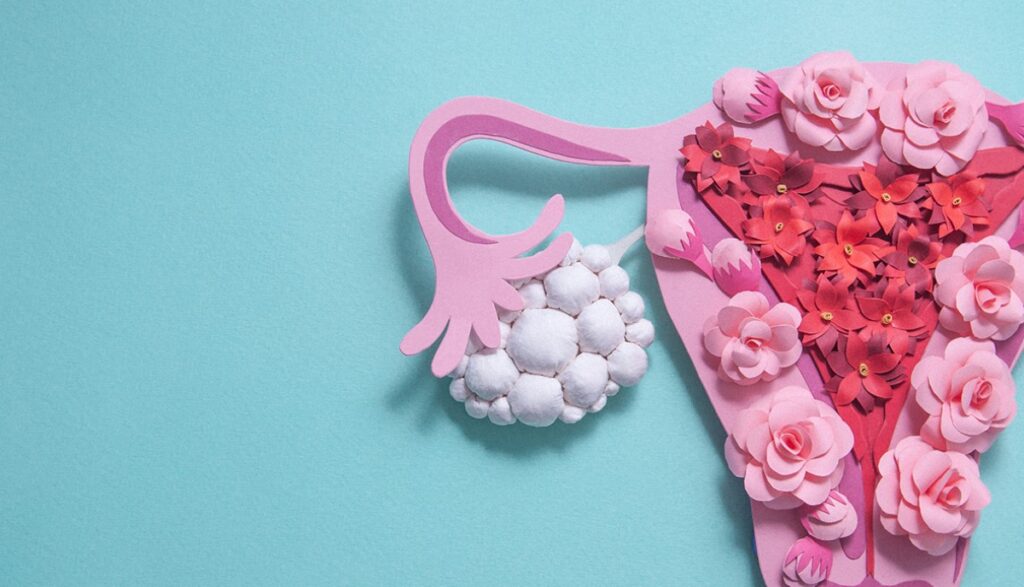
(Tina Dawn/ VM Med) — Hormones control and regulate all the systems that affect a woman’s growth. Hormonal changes affect metabolism, mood, periods, fertility, and sexual function. These changes are naturally occurring, particularly during menstruation, pregnancy, and menopause. However, hormonal imbalances (your body producing too little or too much of a particular hormone) can equally affect and impact your daily functions.
The causes of hormonal imbalances can be diverse.
- Cysts
- Diabetes
- Birth control pills
- Stress
- Addison’s disease
- Cushing’s syndrome
- Thyroid disorders
However, one of the main reasons women experience a hormonal imbalance is Polycystic Ovary Syndrome (PCOS), which causes women to produce unusually high levels of male hormones, known as androgens.
PCOS: The Most Common Hormonal Imbalance Among Women
PCOS is the most common hormone abnormality of reproductive-aged women, according to UCLA Health. Fifteen percent of women in this age category suffer with PCOS, even though it is often underdiagnosed and undertreated.
PCOS is a hormonal problem that causes a distinct group of symptoms, including irregular periods and infertility. Doctors are not sure what causes it, but they do know that women who have PCOS have a higher risk of type 2 diabetes, a condition that affects how the body manages blood sugar, due to insulin resistance. At least half of women with PCOS develop type 2 diabetes by age 40.
Women with severe PCOS have irregular periods, an excess of androgen, more abdominal fat, and resistance to insulin. They also have more severe risk factors for diabetes and cardiovascular disease than women suffering with less severe forms of PCOS.
There are four types of PCOS:
· Insulin-resistant PCOS
· Post-pill PCOS
· Inflammatory PCOS
· Adrenal PCOS
Insulin-Resistant PCOS
Insulin-resistant PCOS is the most common of the four types. A considerable number of women with PCOS will experience insulin resistance. Because excess insulin can cause weight gain, women with PCOS tend to be overweight or obese, particularly in the stomach area.
Insulin resistance occurs in at least 70 percent of women with PCOS. Elevated insulin levels cause hormone levels to rise because higher insulin levels will cause the body to produce more hormones to make up for it.
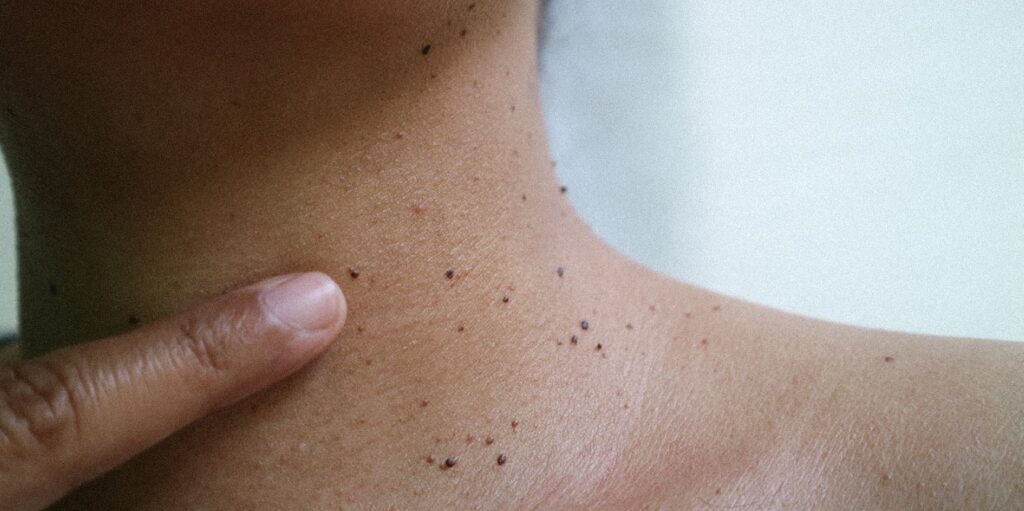
The symptoms of insulin-resistant PCOS vary, and sometimes there aren’t any symptoms at all. More often than not, you will see increased hunger or thirst, a tingling feeling in your hands and feet, fatigue, or frequent urination if one’s insulin resistance progresses to diabetes. Skin tags around the neck, as well as dark patches around the neck, armpits, or groin area, are also tell-tale signs.
The risk factors associated with PCOS also increase the chance of cardiovascular disease. Women with PCOS “have a twice as likely risk of a future cardiovascular event, like a heart attack or stroke,” according to the Johns Hopkins Ciccarone Center for the Prevention of Heart Disease.
Adrenal PCOS
Adrenal PCOS is a subtype of PCOS caused by elevated levels of androgens, DHEA (a hormone produced in the adrenal glands of each kidney), and/or cortisol. In this subtype, the adrenal glands, rather than the ovaries, are the primary source of excess androgens. The symptoms are caused by increased adrenal gland activity.
This type of PCOS occurs when stress levels are high. Stress can sometimes cause androgens to increase, leading to weight gain, irregular or absent periods, hair loss or excessive hair growth, elevated androgen levels, fatigue, and ovarian cysts.
Inflammatory PCOS
Inflammation and PCOS often go hand in hand. PCOS may cause your body to have elevated hormone levels that affect your immune and inflammation response.
Studies show that women with PCOS have higher CRP levels, a protein made in the liver that responds to inflammation. This can cause chronic inflammation, eventually leading to muscle and joint pain.
Most studies find that people with PCOS have higher levels of certain inflammatory markers than people without PCOS.
Post-pill PCOS
Post-pill PCOS occurs when you stop taking birth control pills. Symptoms usually develop when you stop the pill and are temporary. Your doctor can prescribe birth control for PCOS to help regulate your periods.
Unlike the other types of PCOS, post-pill PCOS is not recognized as a chronic disorder or disease. It’s considered a temporary condition that results after you stop taking your hormonal birth control.

Knowing what type of PCOS you have will help to identify what treatment will work best for you.
The Link Between PCOS and Diabetes
While doctors do not exactly understand the connection between PCOS and diabetes, about half of women with PCOS will have type 2 diabetes by age 40. Your genes and family history may play a role. Excessive weight and a higher body mass index (BMI) will also be good predictors that a woman with PCOS will get type 2 diabetes. A family history of diabetes, higher blood pressure, obesity, and being of African-American or Hispanic heritage are also key risk factors.
If you have PCOS, your doctor should routinely monitor you for signs of type 2 diabetes, including your weight and blood sugar levels. That means checking for common symptoms of diabetes, like fatigue, increased thirst, blurred vision, a frequent need to urinate, increased hunger, and tingling or pain in your hands or feet.
PCOS Supplements for Weight Loss
Weight gain is a prevalent symptom of PCOS, particularly around the stomach. Hormonal disruptions can lead to insulin resistance, prompting the body to store more fat. This weight gain not only exacerbates PCOS symptoms but also poses additional health risks, since abdominal fat is the most dangerous kind of fat, associated with an increased risk of heart disease.
Research suggests that for PCOS-related weight loss, supplements like Inositol, Chromium, Vitamin D, N-Acetylcysteine (NAC), and magnesium can improve insulin sensitivity and potentially help with weight control. Inositol helps regulate insulin levels, and may also help manage appetite, reduce cravings, and promote fat metabolism.
Lifestyle changes, including diet and exercise, are also crucial for effective results. Omega-3 Fatty Acids, found in fish oil, can also help reduce inflammation and improve insulin function.
Treatment for PCOS
While there is no cure for PCOS, lifestyle changes, natural remedies, certain medications, and surgery can help manage symptoms.
Medical experts urge women who have PCOS to be vigilant about their diet and exercise to minimize the risk of diabetes and heart disease.
Because PCOS is such a complex hormonal syndrome, it is necessary to treat it with a multidisciplinary approach. A combination of medical specialists, each focusing on particular symptoms and ways to best manage them, is the best approach.
VM Med’s Gynecology Clinic
PCOS treatment primarily focuses on managing symptoms and preventing any long-term health issues. At VM Med Clinic you can first consult with the Gynecology Centre, to speak with specialists in female reproductive health and hormone disorders. Hormonal birth control, such as the birth control pill, patches, or IUDs can help regulate menstrual cycles and reduce androgen levels.
If you are concerned about infertility and are trying to conceive, the clinic’s medical team can tailor their treatment and medication accordingly to your specific needs. The approach is holistic and multidisciplinary and could involve any number of healthcare providers and specialists. PCOS treatment requires an individualized approach based on the patient’s history and needs, and regular monitoring.
We offer a welcoming environment, specialized counselling, and treatments on a wide range of health issues. The clinic’s team of medical experts takes care of every aspect of a patients’ health needs, creating a personalized course of treatment.
For more information, you can read our extensive archive of VM-Med blogs, including What to Know About IUD & IUD Insertion or Women Need to Prioritize Their Own Gynecological Health.
Still have questions? Book a consultation with our experts. We support every aspect of our patients’ health throughout the course of their lives.
Categories
