

Understanding Parathyroid Disease
Why Is This Condition Often Missed? →
Types of Primary Hyperparathyroidism →
What Is Primary Hyperparathyroidism?
Primary hyperparathyroidism occurs when one or more of your parathyroid glands become overactive and produces too much PTH (parathyroid hormone). An abnormally high PTH results in hypercalcemia (high blood calcium). The abnormally high blood calcium causes multiple symptoms.

Why Is This Condition Often Missed?
Primary hyperparathyroidism is surprisingly common, affecting about 1 in 500 to 1 in 1,000 people. However, it often goes undiagnosed for years; there are several reasons for this:
- Symptoms overlap with many other conditions: Fatigue, depression, brain fog, and muscle aches are common complaints that doctors may attribute to aging, menopause, thyroid problems, vitamin deficiencies, stress, depression or fibromyalgia. Many patients are told their symptoms are "just in their head" or prescribed antidepressants when the real culprit is high calcium.
- Symptoms can be vague or gradual: Because the condition often develops slowly over years, patients may not realize how poorly they've been feeling until after successful treatment. Many people describe it as a "fog lifting" after surgery.
- Calcium and PTH aren't routinely tested: Standard blood work panels often don't include calcium, and PTH is rarely checked unless there's a specific reason to suspect parathyroid disease. Many doctors simply don't think about ordering these tests, especially in younger patients.
- Some patients have minimal or no obvious symptoms: The condition may only be discovered incidentally when calcium is checked for another reason, such as during a routine physical, kidney stone evaluation, or osteoporosis workup.
If you've been experiencing unexplained fatigue, mood changes, kidney stones, or bone problems, it's worth asking your doctor to check your calcium and PTH levels. A simple blood test can reveal this treatable condition.
Types of Primary Hyperparathyroidism:
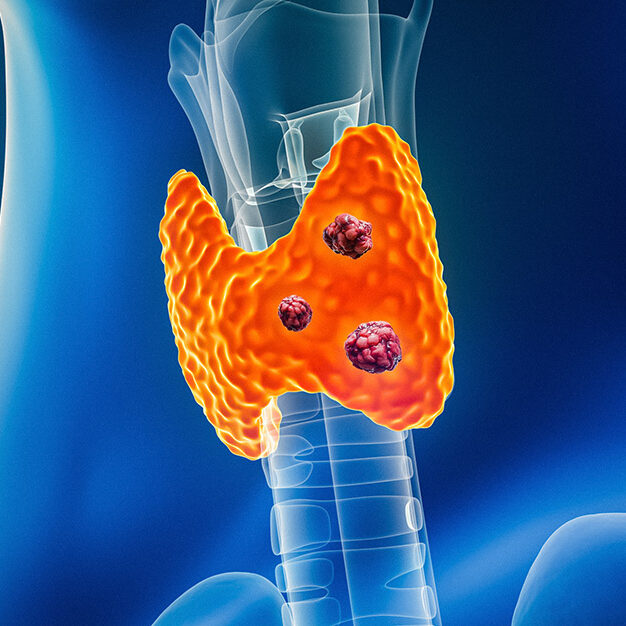
- Single gland disease (about 85% of cases): One parathyroid gland develops a benign tumor called an adenoma and overproduces PTH
- Two gland disease (about 4-5% of cases): Two glands are affected, usually by adenomas
- Four gland disease (about 10-15% of cases): All four glands become enlarged, a condition called hyperplasia, often associated with genetic conditions

Common Symptoms:
Many people have no obvious symptoms at first, which is why the condition is often discovered through routine blood work. When symptoms do occur, they may include:
- Fatigue and weakness
- Depression, anxiety, or difficulty concentrating ("brain fog")
- Kidney stones
- Bone pain or fractures from weakened bones (osteoporosis)
- Frequent urination and excessive thirst
- Stomach problems including heartburn, nausea, or constipation
- High blood pressure
- Heart palpitations
There's an old medical saying: hyperparathyroidism causes "stones, bones, abdominal groans, and psychic moans: referring to kidney stones, bone problems, digestive issues, and mood changes.
Potential Complications of Untreated Hyperparathyroidism:
- Osteoporosis and fractures: High PTH pulls calcium from your bones, weakening them
- Kidney stones and kidney damage: Excess calcium can crystallize in your kidneys
- Cardiovascular problems: Including high blood pressure, irregular heart rhythms, and increased risk of heart disease
- Cognitive decline: Memory problems and reduced quality of life
- Pancreatitis: High calcium levels can trigger inflammation of the pancreas, causing severe abdominal pain and potentially life-threatening complications
- Peptic ulcers: Increased stomach acid production
- Pregnancy complications: For women of childbearing age, untreated hyperparathyroidism increases the risk of miscarriage, preterm birth, and serious complications for both mother and baby. The newborn may also experience dangerously low calcium levels requiring intensive care.

How Is Primary Hyperparathyroidism Diagnosed?
Clinical Evaluation: Your doctor will review your symptoms and medical history, looking for signs consistent with high calcium levels. Many patients are diagnosed before symptoms appear, through routine blood work done for other reasons.
Blood and Urine Tests:
- Calcium levels: Measured on multiple occasions to confirm elevation
- PTH levels: Inappropriately high or "normal" PTH when calcium is elevated confirms the diagnosis
- Vitamin D levels: Important to check, as low vitamin D can cause an elevation in PTH blood level
- Kidney function tests: To assess any kidney damage
- 24-hour urine collection: Measures calcium excretion and helps assess kidney stone risk
Imaging Studies: Once the diagnosis is confirmed, we use imaging to locate which gland(s) are overactive and plan a targeted surgical approach:
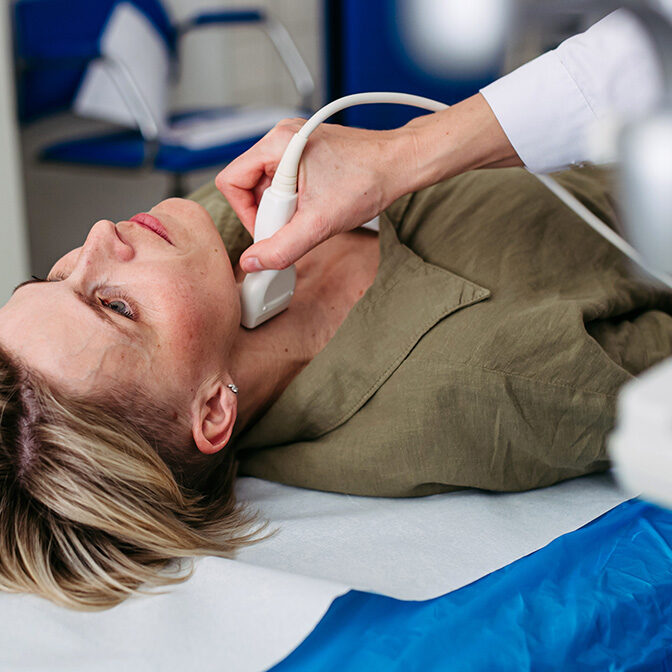
- Ultrasound: A painless test using sound waves to visualize the parathyroid glands in your neck
- Sestamibi scan: A nuclear medicine test where a small amount of radioactive tracer is injected, which concentrates in overactive parathyroid tissue
- 4D-CT scan: An advanced CT scan that captures images over time, providing detailed 3D anatomy and showing blood flow patterns to help identify abnormal glands
- Other imaging: In challenging cases, we may use PET-CT or MRI
Treatment Options
Surgical Treatment: Removing the overactive parathyroid gland(s) (parathyroidectomy) is the only cure for primary hyperparathyroidism.
- Minimally invasive parathyroidectomy: When we've identified a single abnormal gland, we can often use a small incision and remove just that gland.
- Bilateral neck exploration: When multiple glands are involved or localization is unclear, we examine all four glands through a slightly larger incision.
Medical Management: Surgery may be delayed or avoided in certain situations:
- If you have significant medical conditions that make surgery too risky.
- If your calcium elevation is very mild and you have no symptoms or complications.
- While preparing for surgery or if you prefer to wait.
In these cases, we may recommend:
- Regular monitoring of calcium, PTH, kidney function, and bone density
- Adequate hydration.
- Medications called calcimimetics that can lower calcium levels (though they don't cure the condition).
- Bisphosphonates to protect bone density.


Weighing the Risks:
Risks of surgery include:
- General anesthesia risks (very low)
- Bleeding or infection (rare)
- Temporary or permanent voice changes from nerve injury (very rare)
- Low calcium levels after surgery (usually temporary and managed with calcium supplement)
- Persistent disease if all abnormal tissue isn't removed (5-10%)
Risks of not having surgery include:
- Progressive bone loss and fractures
- Kidney stones and declining kidney function
- Worsening cardiovascular health
- Continued symptoms affecting quality of life
- Potential for more complicated surgery if delayed
For most patients, particularly those with symptoms, complications, or significant laboratory abnormalities, the benefits of surgery far outweigh the risks.
What to Expect After Surgery
Immediate Recovery:
- Most patients go home the same day or after one overnight stay
- You'll have a small neck incision with dissolvable stitches or surgical glue
- Mild neck discomfort is normal and managed with over-the-counter pain medication
- Most people return to desk work within a few days and full activity within 1-2 weeks
Calcium Levels: After removing overactive parathyroid tissue, your remaining normal glands need time to "wake up" after being suppressed. During this adjustment period:
- Your calcium may drop temporarily (hungry bone syndrome can occur if bones were very depleted)
- We'll monitor your calcium levels closely
- You may need temporary calcium and vitamin D supplements
- Most patients' calcium levels normalize within a few weeks
Symptom Improvement:
- Kidney function stabilizes and kidney stone risk decreases immediately
- Bone density begins improving within months
- Energy levels and mental clarity often improve within weeks
- Some symptoms like bone pain may take longer to resolve


Long-Term Follow-Up
We'll monitor you to ensure lasting success:
First Year:
- Check calcium and PTH levels at 1 week, 6 weeks, 3 months, 6 months, and 1 year after surgery
- Adjust calcium and vitamin D supplementation as needed
- Monitor for any signs of recurrence
Long-Term:
- Annual calcium and PTH measurements
- Bone density scans to track improvement
- Kidney function monitoring if there was previous damage
The vast majority of patients (95%+) are cured with a single operation and enjoy improved health and quality of life. Recurrence is rare, occurring in less than 5% of cases, usually many years after surgery.
At VM-Med, our experienced surgical team specializes in parathyroid surgery, performing these procedures regularly with excellent outcomes. We're here to guide you through every step, from diagnosis through recovery.

Make an Appointment
Online inquiries are answered as soon as possible during regular business hours.
The fastest way to reach us is by completing the online inquiry form below.
In case of an emergency, please dial 911.
514-933-2778
1-800-849-6048
514-788-1484
Monday to Friday: 8:00 – 16:00 Saturday: Closed
Sunday: Closed
Why is VM Med
the right choice?
Opting for healthcare services at our private clinic ensures patients receive excellent and timely care with a specialist. Comprehensive exams, including the consultation, ultrasound and biopsy (if needed) are conducted onsite, and results are provided within 72 hours.
