

Hysterosonography: What It Is, Benefits, and Risks
Why is a Hysterosonography Done? →
What to Expect During the Procedure →
Benefits of Hysterosonography →
What is Hysterosonography?
Hysterosonography, also called sonohysterography or saline infusion sonography (SIS), is a specialized ultrasound procedure used to get a detailed look inside the uterus. It involves placing a small amount of sterile saline into the uterine cavity during a transvaginal ultrasound. The saline gently expands the cavity, allowing the provider to clearly see the uterine lining, shape, and any abnormalities that may be present.
Unlike X‑rays or CT scans, hysterosonography does not use radiation. It relies only on sound waves and is considered a safe, minimally invasive imaging method.
This procedure is typically performed in a clinic or imaging center and usually takes 15–30 minutes.

Why is Hysterosonography Done?
Hysterosonography helps evaluate many gynecologic conditions, especially when a standard ultrasound doesn’t provide enough information.
Common Reasons for the Test
- Abnormal uterine bleeding, including heavy periods, bleeding between cycles, or postmenopausal bleeding
- Infertility evaluation, including repeated miscarriages, suspected uterine abnormalities, or pre‑IVF cavity assessment
- Detection of growths such as fibroids, polyps, or scar tissue (adhesions) inside the uterine cavity
- Clarifying unclear findings from a baseline transvaginal ultrasound when more detail is needed
- Evaluating congenital uterine shape issues, such as a uterine septum
Additional Uses
Some hysterosonography exams also help assess:
- Whether the fallopian tubes may be open
- Presence of ovarian cysts
- Antral follicle count (egg supply) in fertility evaluations
What to Expect During the Procedure
Step‑by‑Step Overview
- Positioning: You lie on the exam table with feet supported, similar to a pelvic exam.
- Catheter placement: A thin catheter is passed through the cervix into the uterus. This may cause brief cramping or pressure.
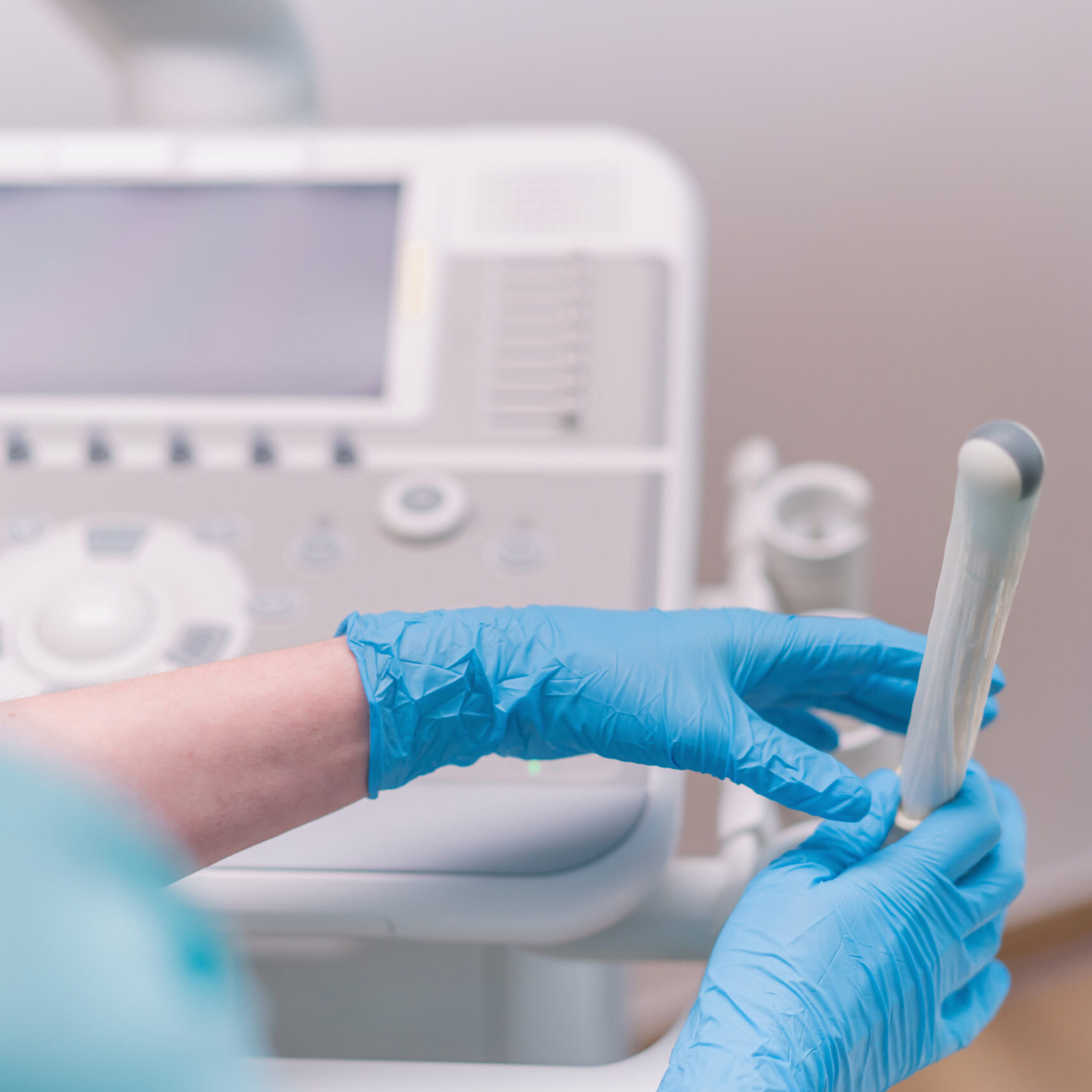
- Transvaginal ultrasound setup: A slim ultrasound wand, covered with a sheath and gel, is inserted into the vagina.
- Saline infusion: Sterile saline (about 10–15 mL) is slowly infused into the uterine cavity, gently expanding it. A small balloon on the catheter may be inflated to help keep the catheter in place during the procedure.
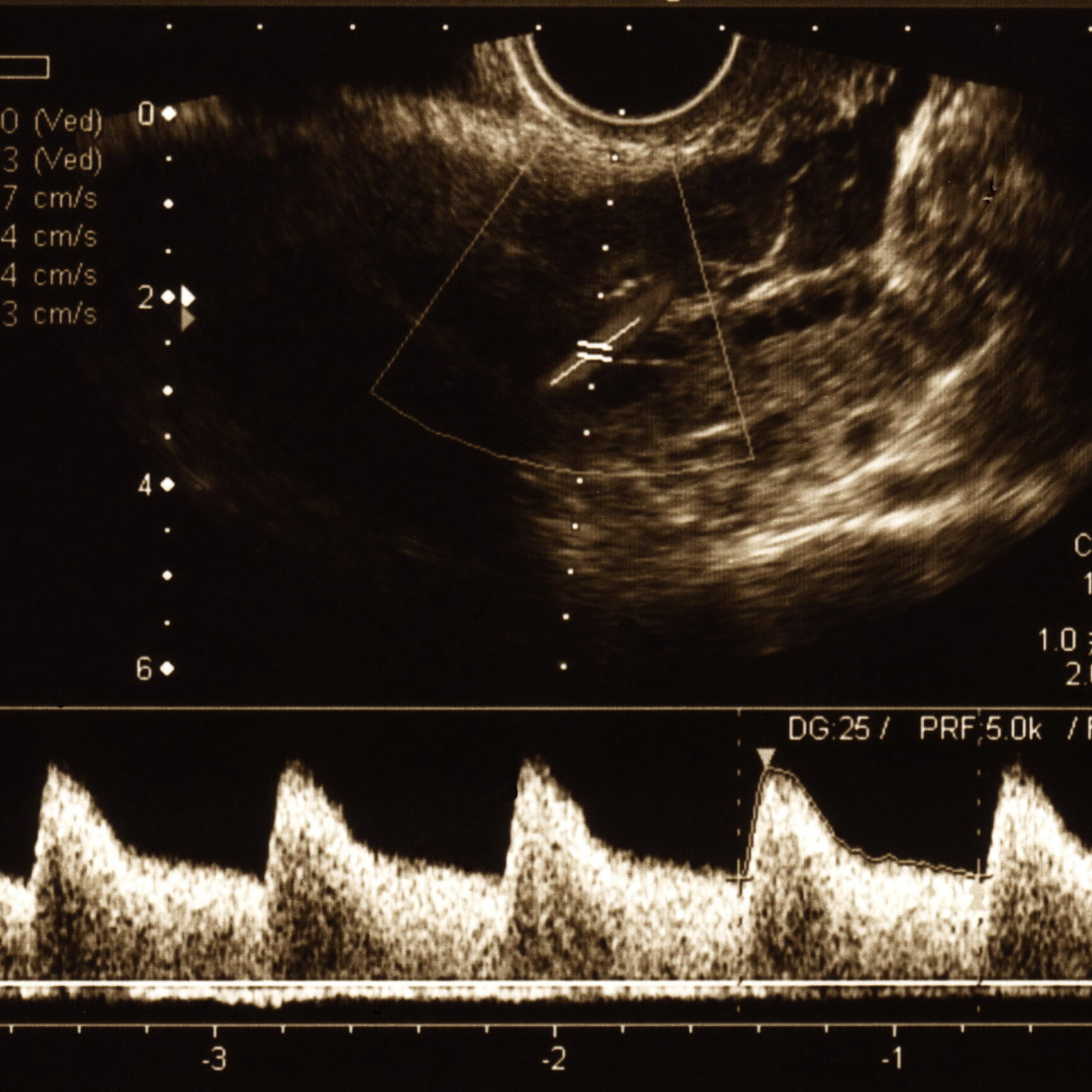
- Imaging: As the cavity expands, the ultrasound provides high‑detail, real‑time images of the uterine lining and cavity. Your clinician evaluates the structure and any abnormalities.
Duration & Comfort
- The exam typically takes 15–30 minutes.
- Mild cramping is common during the infusion but usually passes quickly.
- Because the procedure uses saline—not contrast dye—there is no allergy risk to imaging agents.
Benefits of Hysterosonography
1. Exceptional Visualization of the Uterine Cavity
Saline infusion separates the uterine walls, making polyps, fibroids, scarring, and cavity abnormalities much easier to detect than on standard ultrasound.
2. Highly Accurate
Studies show diagnostic accuracy as high as 90–99% for common cavity abnormalities such as fibroids, polyps, and abnormal thickening.
3. Safe and Minimally Invasive
The procedure uses only ultrasound and sterile saline—no radiation, incisions, or anesthesia required.
4. Better Than Other Imaging Methods for Specific Problems
Hysterosonography often outperforms:
- Standard ultrasound (limited cavity detail)
- Hysterosalpingography (uses radiation)
- MRI (less cavity-specific clarity)
- Hysteroscopy (more invasive and requires anesthesia)
6. Valuable for Fertility Planning
Helps identify issues that could affect conception, implantation, and miscarriage risk. Often used prior to IVF.
Risks & Possible Side Effects
Hysterosonography is considered very safe, but mild side effects can occur.
Common Temporary Effects
- Mild cramping during or after the procedure
- Light spotting or watery discharge from the saline
Rare Risks
- Pelvic infection, occurring in fewer than 1% of cases. Risk is higher in individuals with untreated tube blockage or infection.
When the Procedure Should Be Avoided
- Suspected or confirmed pregnancy
- Active pelvic inflammatory disease (PID) or pelvic infection


Preparation & Aftercare
How to Prepare
- The best time for the exam is just after your period but before ovulation (usually days 6–11). This ensures the lining is thin and easy to evaluate.
- If bleeding heavily, your provider may adjust the timing.
- You may be asked to take ibuprofen or acetaminophen one hour before the procedure to reduce cramping.
- Empty your bladder right before the procedure.
- A recent negative gonorrhea/chlamydia result (1 year if no new partner)
After the Procedure
- Expect mild cramping or discharge for a few hours.
- Most people return to normal activities immediately.
- Call your clinician if you develop:
- Fever
- Increasing pelvic pain
- Foul‑smelling discharge
Hysterosonography is a safe, minimally invasive, highly accurate imaging test used to evaluate the uterine cavity, especially when symptoms or baseline ultrasound results suggest an abnormality. By using saline to expand the uterus, this method provides superior visualization of polyps, fibroids, scarring, and cavity shape—information essential for diagnosing abnormal bleeding, infertility, or recurrent pregnancy loss. Most patients tolerate the procedure well, and complications are rare.

Make an Appointment
Online inquiries are answered as soon as possible during regular business hours.
The fastest way to reach us is by completing the online inquiry form below.
In case of an emergency, please dial 911.
514-933-2778
1-800-849-6048
514-788-1484
Monday to Friday: 8:00 – 16:00 Saturday: Closed
Sunday: Closed
Why is VM Med
the right choice?
Our multidisciplinary team values building long term relationships with our patients. Opting for healthcare services at our private clinic ensures patients receive excellent and timely care with a specialist. Comprehensive exams are conducted onsite, and results are provided in a timely manner.
