

HPV Vaccines: What They Are, Benefits, and Risks
Why is HPV Vaccination Important? →
Who Should Receive the HPV Vaccine? →
How Effective Are HPV Vaccines? →
Who Should NOT Receive the HPV Vaccine? →
Does HPV Vaccination Help if Someone Is Already Sexually Active? →
What Are HPV Vaccines?
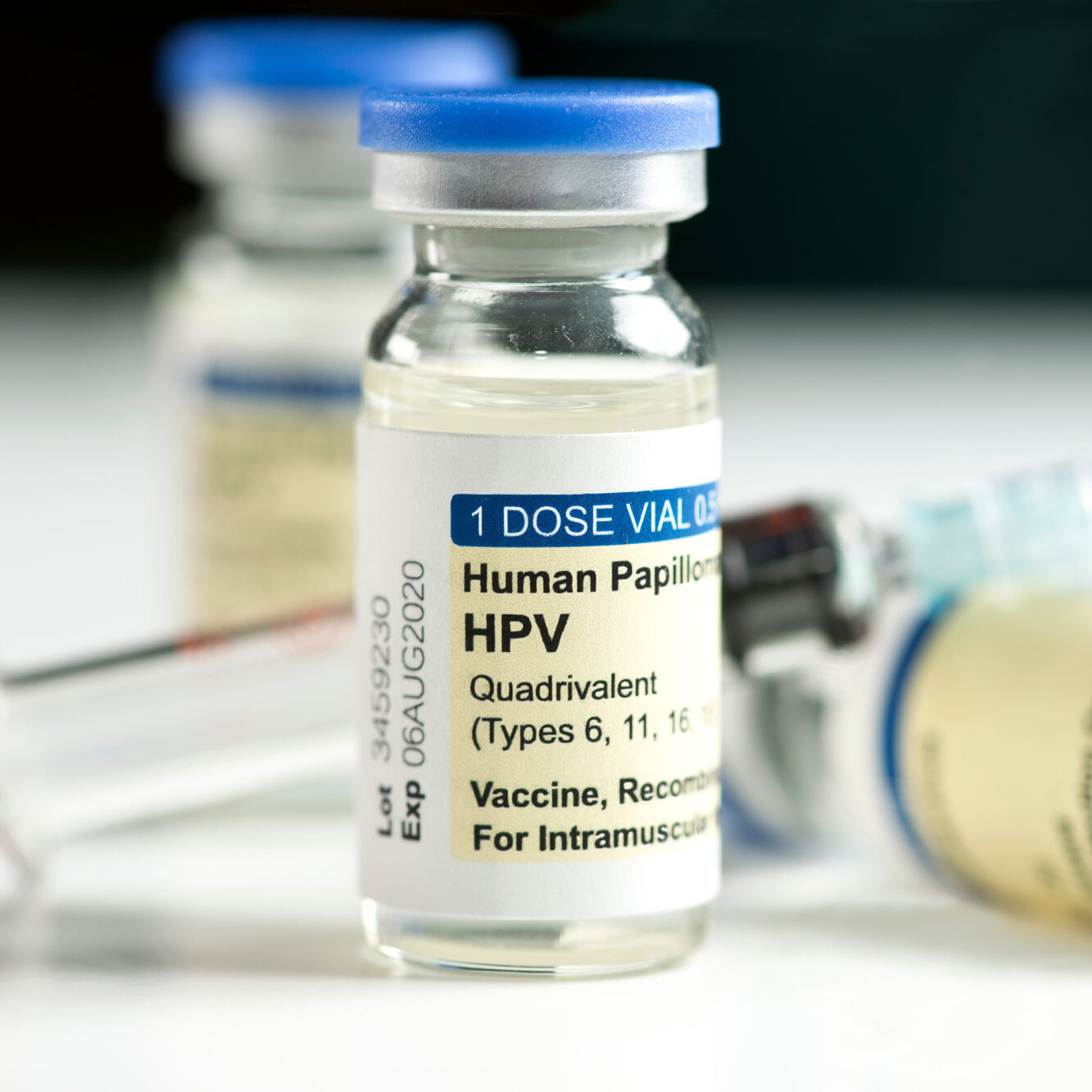
Human papillomavirus (HPV) vaccines protect against infection from specific HPV types known to cause genital warts and several HPV‑related cancers, including cancers of the cervix, vagina, vulva, anus, penis, and oropharynx. Among more than 200 HPV types, over 40 spread through intimate sexual contact, and a subset of “high‑risk” types is responsible for the majority of HPV‑related cancers. Two vaccines are available in Canada, Cervarix, which protects against HPV 16-18 and Gardasil 9 which has a wider coverage, which protects against nine HPV types, including types 6 and 11 (cause 90% of genital warts) and seven high‑risk types responsible for most HPV‑related cancers.
HPV infection is extremely common—nearly all sexually active individuals will acquire HPV at some point in their lives. Most infections clear spontaneously, but some persist and lead to precancerous changes or cancer years later. Vaccination offers highly effective protection against the HPV types that most commonly cause disease.
Why Is HPV Vaccination Important?
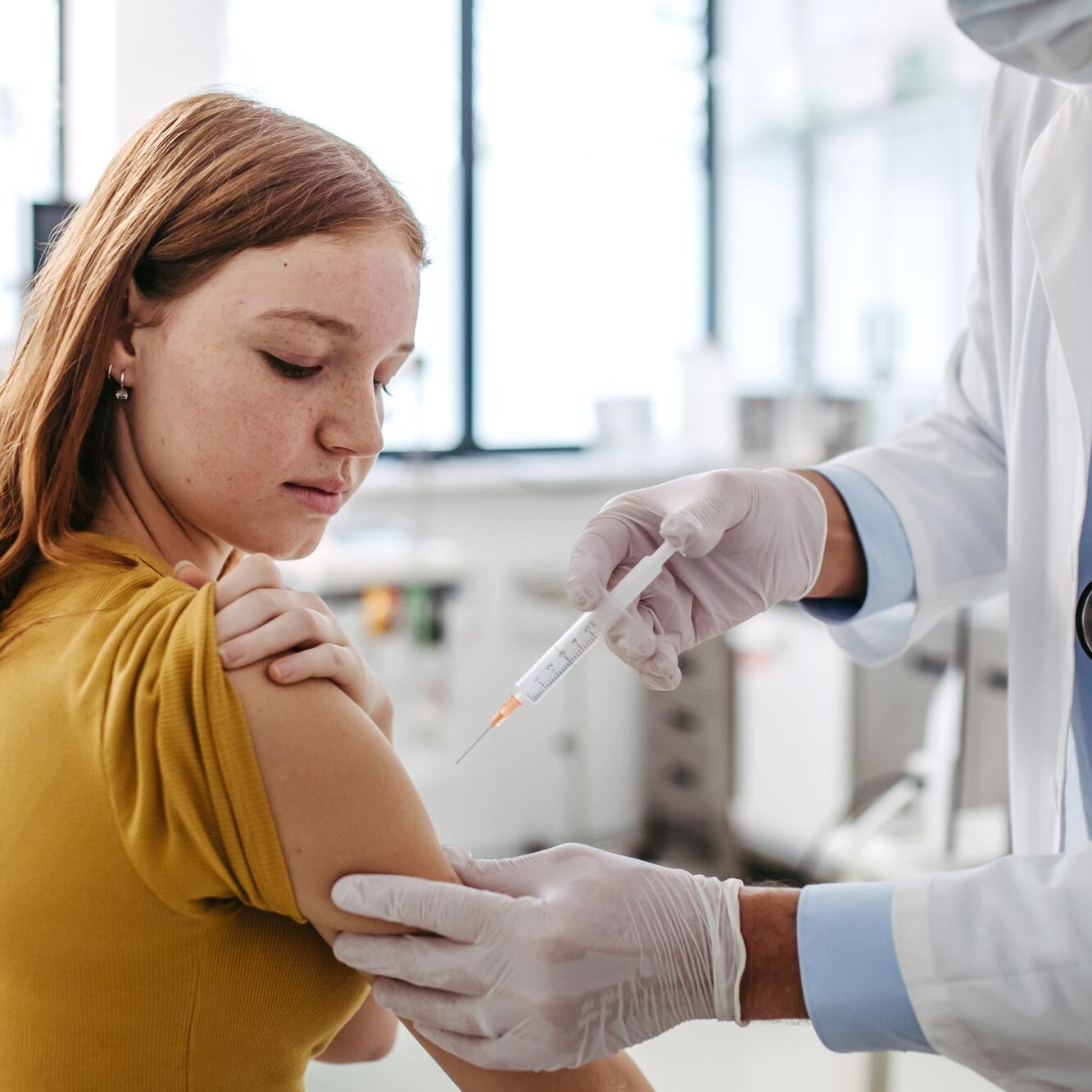
Vaccination prevents infection with HPV types associated with the majority of cervical cancers and a substantial proportion of other anogenital and oropharyngeal cancers. Persistent HPV infections with high‑risk types (especially HPV‑16 and HPV‑18) can cause gradual cellular changes that develop into cancer over time. By preventing these infections from occurring, HPV vaccination serves as a powerful cancer‑prevention tool.
INESSS reports that HPV vaccination can prevent the infections responsible for most HPV‑related cancers, contributing to long‑term reduction in cancer risk among vaccinated populations.
Who Should Receive the HPV Vaccine?
Quebec offers a free HPV-9 vaccination program through its public health system (CISSS and CIUSSS networks).
- Grade 4 students, free.
- Youth aged 9–20, free.
- People aged 21 to 45 who are immunocompromised or living with HIV, free.
- Adults aged 21 to 45, recommended.
- Adults over 45 who want additional protection against the HPV types included in the vaccine, accepted.
Vaccination is most effective before exposure to HPV, which is why pre‑teen immunization provides the highest level of long‑term protection.

How Many Doses Are Needed?
The dosing schedule depends on the age at which the vaccination series begins:
- Ages 9–20:
One dose of HPV-9 is recommended.
Three doses of HPV-9 are needed for youth who are immunocompromised or living with HIV - Ages 21 or older:
Two doses; given 6 months apart.
Three doses are recommended for people who are immunocompromised or living with HIV; given at months 0, 2 and 6
How Effective Are HPV Vaccines?
HPV vaccines provide over 90% protection against cancers and conditions caused by vaccine‑covered HPV types, making them one of the most effective cancer‑prevention vaccines available. Protection is strongest when administered before exposure to the virus—typically prior to the onset of sexual activity. Research consistently shows dramatic reductions in HPV infections, precancerous cervical changes, and genital warts in regions with high vaccination uptake.
How Do HPV Vaccines Work?
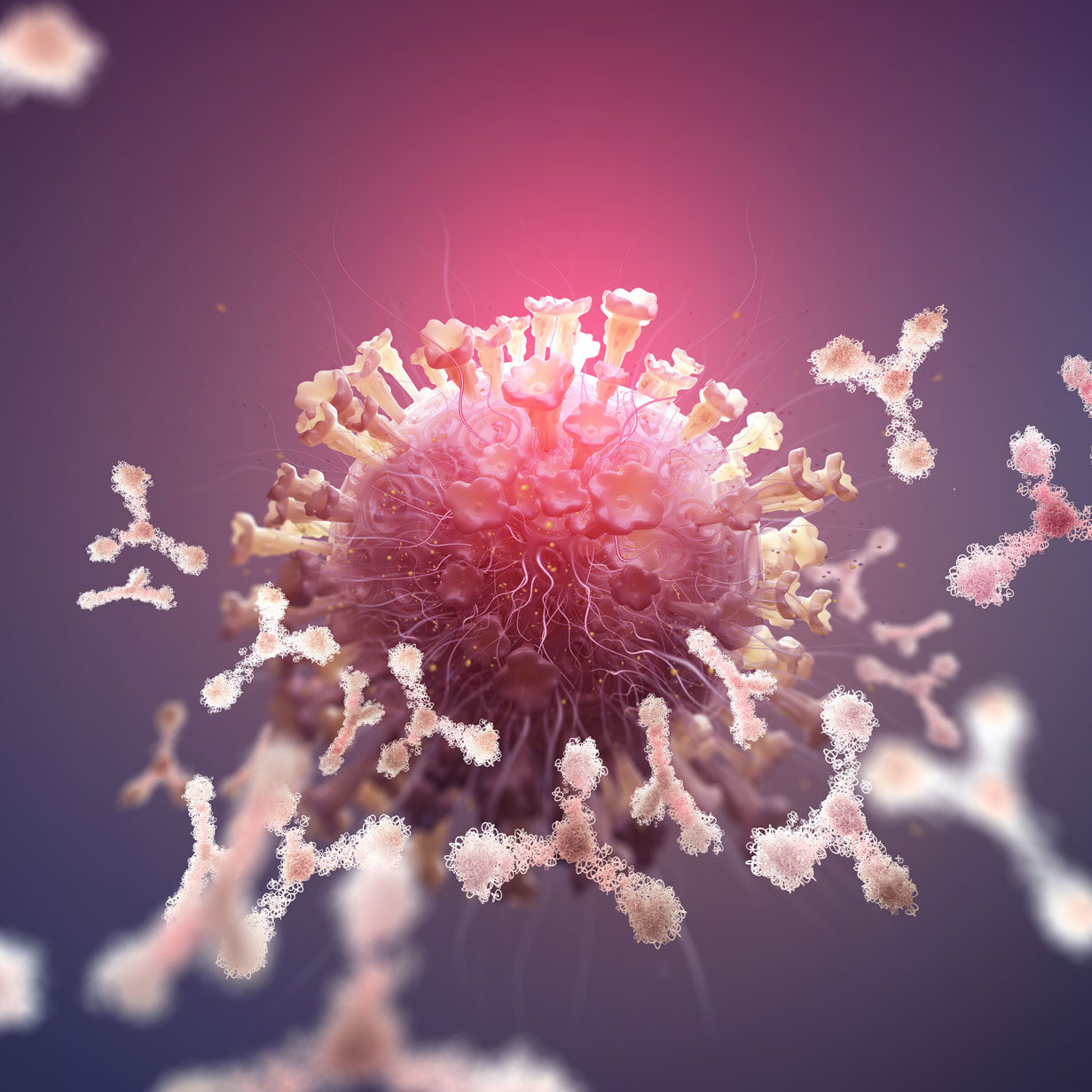
The vaccine contains virus‑like particles (VLPs), which imitate the outer shell of HPV but do not contain viral DNA. They cannot cause infection. Instead, they stimulate the immune system to produce high, protective antibody levels, which remain ready to prevent infection if later exposed to the actual virus.
Are HPV Vaccines Safe?
HPV vaccines have undergone extensive safety testing, including trials with over 15,000 participants before Gardasil 9’s approval. Post‑licensure safety monitoring by CDC, FDA, and independent programs continues to show an excellent safety profile.
Common mild side effects include:
- Soreness, redness, or swelling at injection site
- Fever
- Headache or fatigue
- Nausea
- Mild muscle or joint pain
Serious allergic reactions are rare.

Who Should NOT Receive the HPV Vaccine?
HPV vaccination is not recommended for:
- Individuals who had a severe allergic reaction to a prior dose or vaccine ingredient
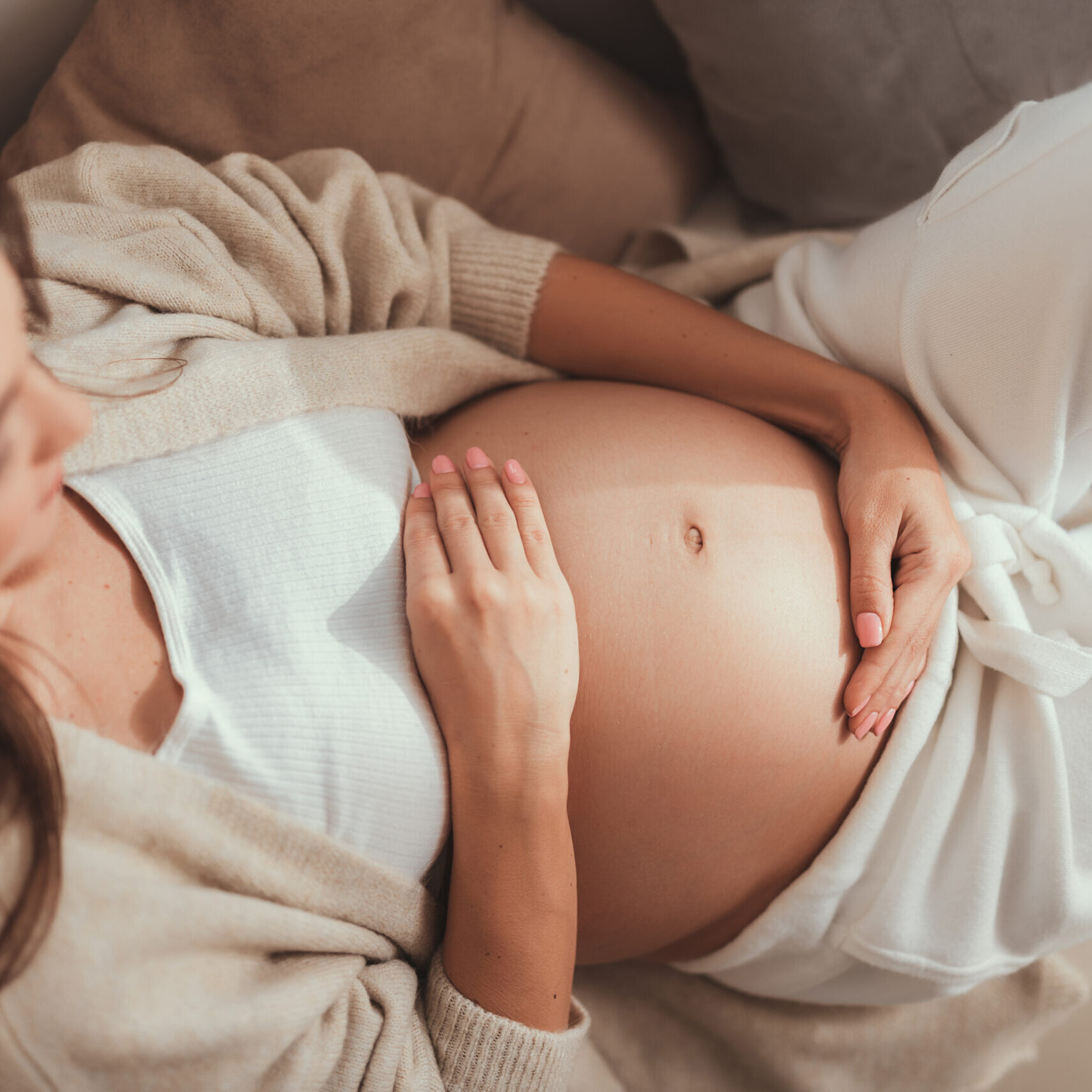
- Individuals who are pregnant (vaccination can resume postpartum)
- People who are moderately or severely ill should defer vaccination until recovery
Minor illnesses (e.g., cold) do not require postponing the vaccine.
Does HPV Vaccination Help if Someone Is Already Sexually Active?
Yes—vaccination can still provide meaningful protection.
Even individuals who have been sexually active are unlikely to have been exposed to all the HPV types covered by the vaccine, so vaccination can still reduce the risk of future infections and HPV‑related disease. However, the vaccines do not treat existing HPV infections or abnormalities. But can help reduce recurrence from that specific type.

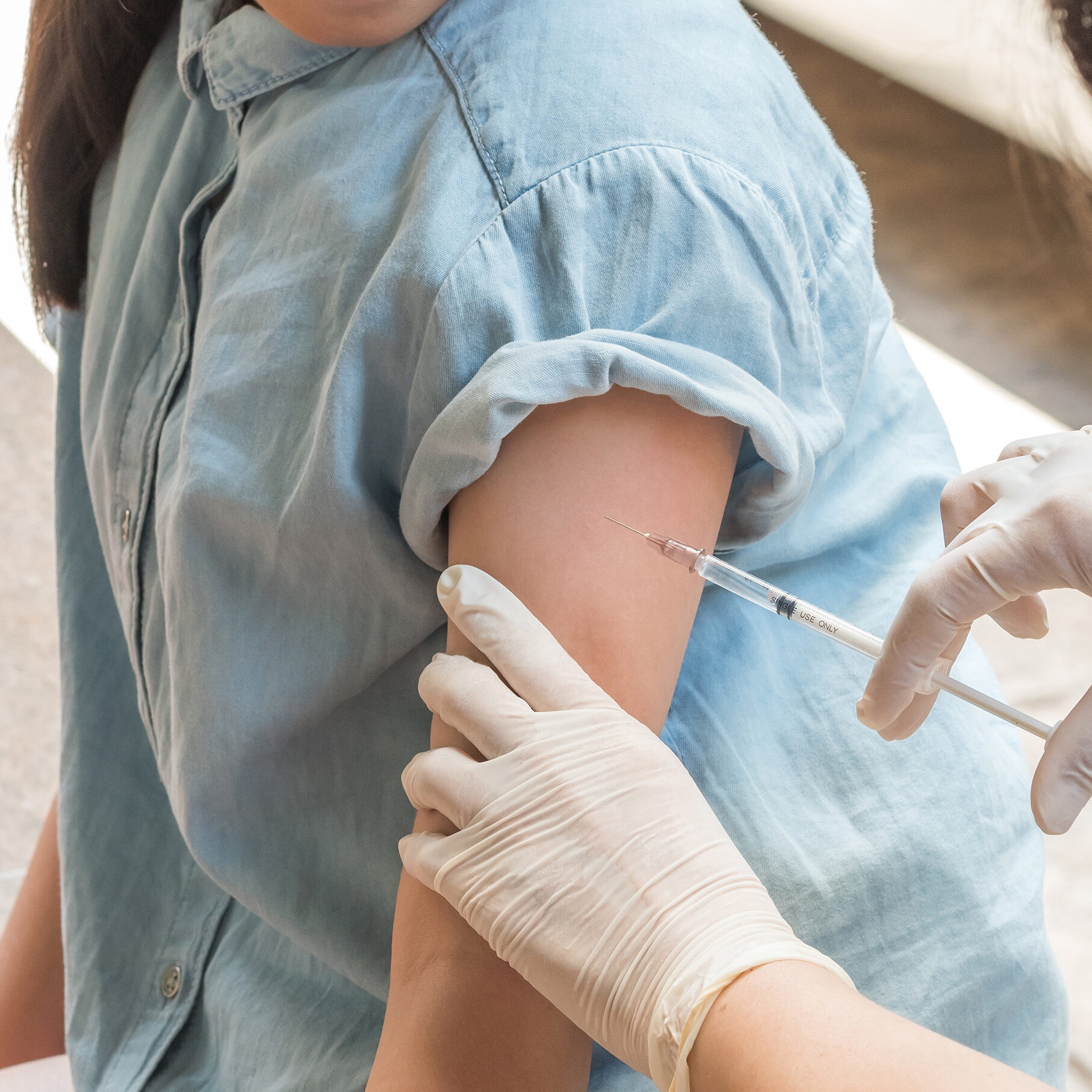
HPV vaccination is a safe, highly effective, long‑term strategy for preventing HPV‑related cancers and genital warts. Decades of research and ongoing surveillance confirm the vaccine’s strong safety profile and significant impact on reducing HPV‑related disease worldwide.
Make an Appointment
Online inquiries are answered as soon as possible during regular business hours.
The fastest way to reach us is by completing the online inquiry form below.
In case of an emergency, please dial 911.
514-933-2778
1-800-849-6048
514-788-1484
Monday to Friday: 8:00 – 16:00 Saturday: Closed
Sunday: Closed
Why is VM Med
the right choice?
Our multidisciplinary team values building long term relationships with our patients. Opting for healthcare services at our private clinic ensures patients receive excellent and timely care with a specialist. Comprehensive exams are conducted onsite, and results are provided in a timely manner.
