

Diagnostic Hysteroscopy: What It Is, Benefits, and Risks
What is a Diagnostic Hysteroscopy?
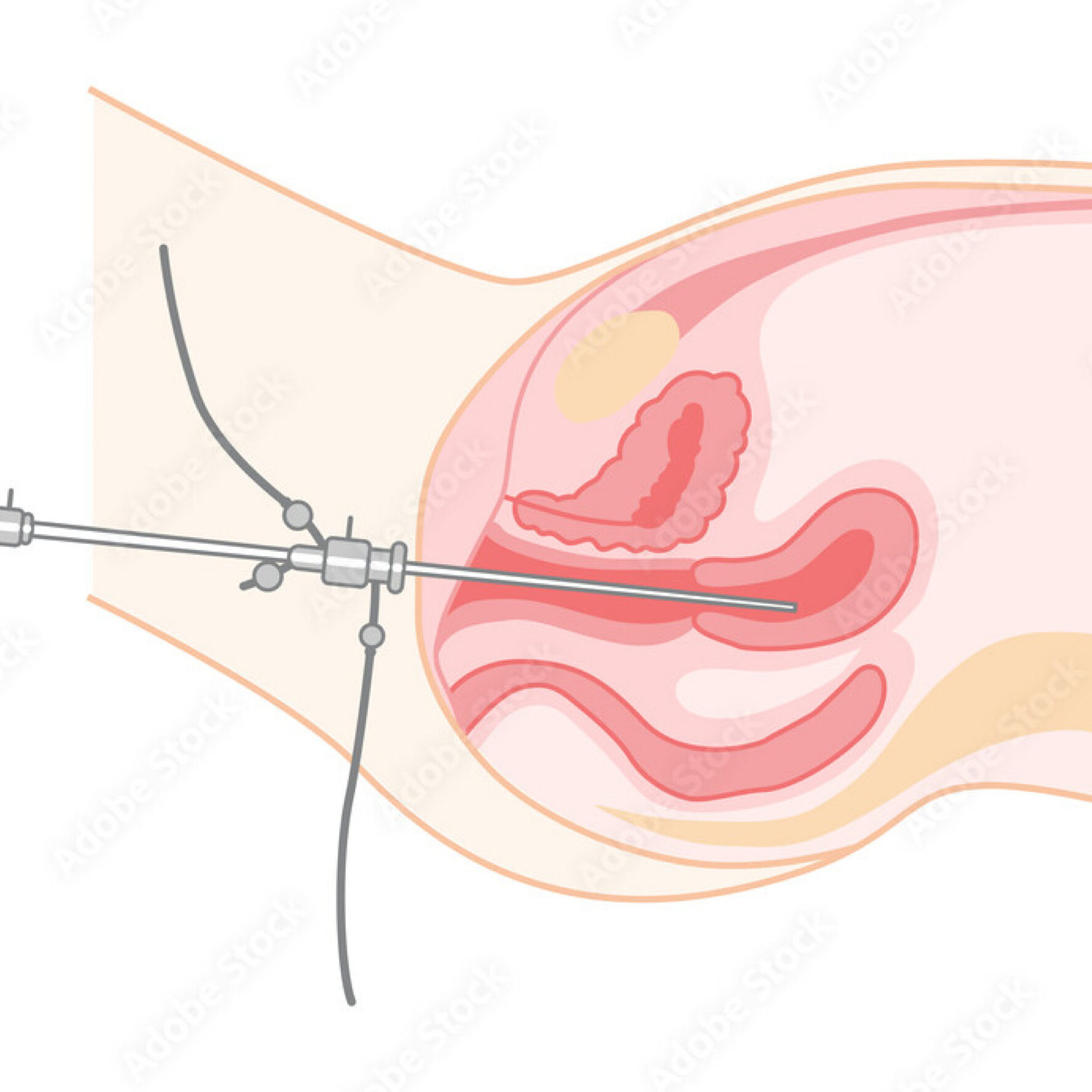
A diagnostic hysteroscopy is a procedure that allows a clinician to look directly inside the uterus (womb) using a thin, lighted telescope-like device called a hysteroscope, which is gently passed through the vagina and cervix without any incisions. This provides a real‑time, magnified view of the uterine cavity, enabling accurate assessment of its lining and structure.
In many clinics, diagnostic hysteroscopy is performed in-office with little or no anesthesia, and the procedure itself typically lasts only a few minutes.
Fluid (usually saline) is used to gently expand the uterus to improve visibility during the exam.

Why is Diagnostic Hysteroscopy Done?
Diagnostic hysteroscopy helps identify the underlying cause of several uterine symptoms or abnormal findings. Common reasons include:
- Abnormal uterine bleeding, including heavy periods, irregular bleeding, bleeding between periods, or bleeding after menopause.
- Evaluation of infertility or recurrent miscarriage to check for uterine abnormalities, adhesions, or structural issues.
- Investigation of suspected polyps or fibroids, which may protrude into the uterine cavity.
- Clarifying results of imaging tests, such as abnormal ultrasound or suspected thickened endometrium.
- Locating and assessing displaced intrauterine devices (IUDs) if threads are not visible or proper placement is uncertain.
Diagnostic hysteroscopy is considered one of the most reliable ways to visually inspect the uterine cavity when symptoms or imaging indicate a possible abnormality.
What to Expect During the Procedure
A diagnostic hysteroscopy typically follows these steps:
- Positioning: You lie on an exam table with your feet supported, similar to a pelvic exam.
- Speculum or vaginoscopic approach:
- Some clinicians use a speculum to visualize the cervix.
- Others use a no‑touch vaginoscopic technique, inserting the scope directly without a speculum for improved comfort.
- Insertion of the hysteroscope: A narrow (2.9–5 mm) hysteroscope is guided through the cervix into the uterus.
- Uterine expansion: Sterile saline is introduced to expand the cavity for visibility.
- Examination: The clinician inspects the uterine lining and the openings of the fallopian tubes.
- Biopsy if needed: If abnormalities are seen, a small tissue sample may be taken for lab analysis.
Most diagnostic hysteroscopies take 5–20 minutes and require little to no recovery time, allowing you to go home shortly afterward.

Benefits of Diagnostic Hysteroscopy
1. Accurate, Direct Visualization
Unlike ultrasound or MRI, hysteroscopy gives a real-time, direct view inside the uterus, making it highly reliable for diagnosing structural abnormalities, polyps, fibroids, adhesions, or scarring.
2. Minimally Invasive with No Incisions
Because the hysteroscope enters through the vagina and cervix, there are no external cuts or stitches, leading to faster recovery and minimal discomfort.
3. Can Confirm or Refine Other Test Findings
Hysteroscopy can verify abnormalities seen on ultrasound or hysterosalpingography, helping clinicians make more precise treatment plans.
4. Enables Targeted Biopsy When Needed
If abnormal tissue is detected, a biopsy can be taken immediately, reducing the need for multiple appointments.
5. Often Performed in Clinic
Many diagnostic hysteroscopies can be performed without general anesthesia, contributing to lower cost, reduced wait time, and quicker return to normal activities.
Risks & Possible Side Effects
Diagnostic hysteroscopy is generally safe, but like any procedure, it carries potential risks:
Common, Mild Effects
- Cramping similar to menstrual discomfort.
- Light bleeding or spotting for a day or two.
- Temporary nausea, or lightheadedness.
Less Common Risks
- Infection (estimated 2–5 per 100 procedures).
- Damage to the cervix or uterus (approximately 1 in 200), rarely affecting nearby organs.
- Heavy bleeding (around 1 in 400 cases).
- Reaction to anesthetic, if used.
- Complications from fluid or gas used for uterine expansion, though rare.
When to Seek Medical Attention
Contact your clinician promptly if you experience:
- Heavy vaginal bleeding
- Foul‑smelling discharge
- Fever or chills
- Increasing abdominal or pelvic pain


Preparation & Aftercare
Before the Procedure
- It is important to ensure you are not pregnant; contraception may be advised in the cycle before your appointment.
- Discuss any concerns about pain relief or prior difficult exams with your provider. Some clinics offer sedation or general anesthesia when needed.
- If heavy bleeding occurs close to the appointment, visibility may be reduced — contact the clinic for guidance.
After the Procedure
- Most people return to normal activities the same or next day.
- Mild cramping or spotting is normal.
- Avoid intercourse or tampon use until advised by your clinician.
- If you received sedation or anesthesia, arrange for someone to drive you home.
Diagnostic hysteroscopy is a quick, minimally invasive, highly accurate method for evaluating uterine conditions such as abnormal bleeding, fertility concerns, suspected polyps, fibroids, or unexplained imaging results. In-clinic hysteroscopy avoids general anesthesia for many patients, offers direct visualization of the uterine cavity, and allows immediate biopsy when needed. While generally safe, patients should be aware of small risks such as infection, bleeding, or rare uterine injury — and should seek care if concerning symptoms arise after the procedure.
Make an Appointment
Online inquiries are answered as soon as possible during regular business hours.
The fastest way to reach us is by completing the online inquiry form below.
In case of an emergency, please dial 911.
514-933-2778
1-800-849-6048
514-788-1484
Monday to Friday: 8:00 – 16:00 Saturday: Closed
Sunday: Closed
Why is VM Med
the right choice?
Our multidisciplinary team values building long term relationships with our patients. Opting for healthcare services at our private clinic ensures patients receive excellent and timely care with a specialist. Comprehensive exams are conducted onsite, and results are provided in a timely manner.
